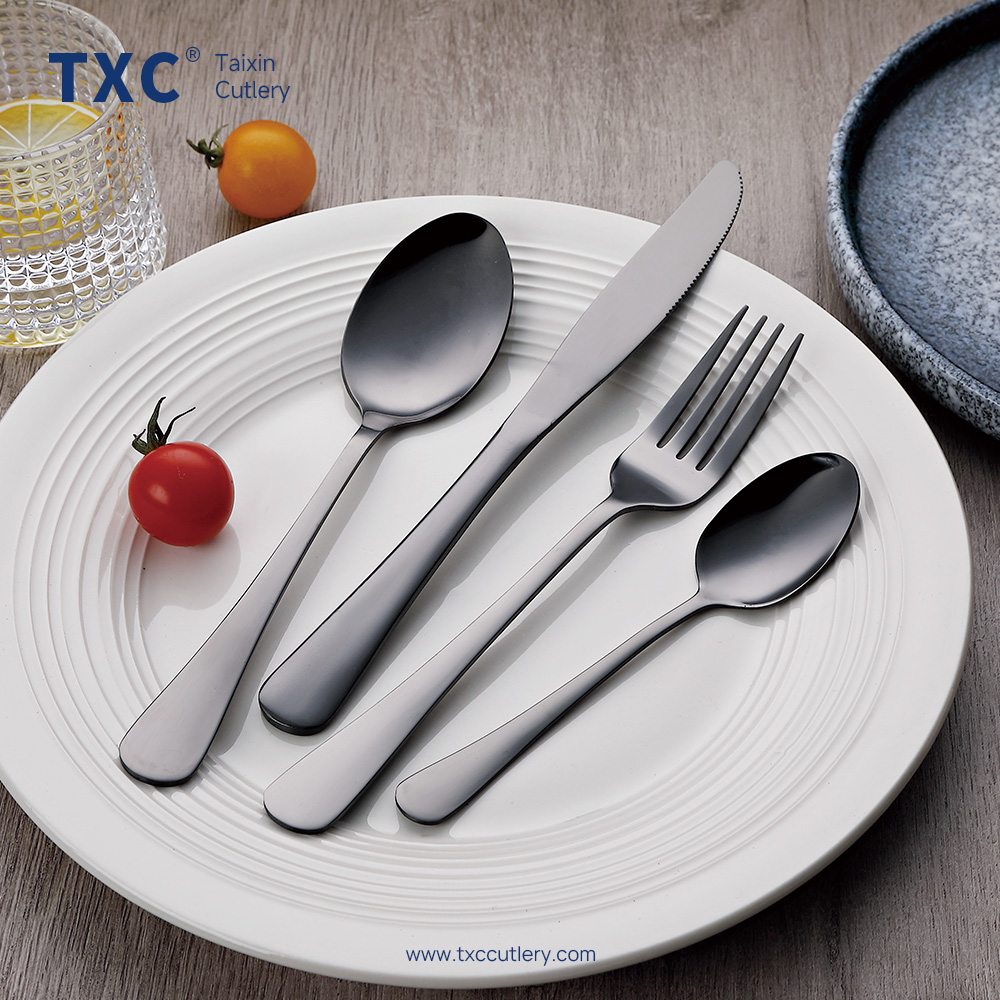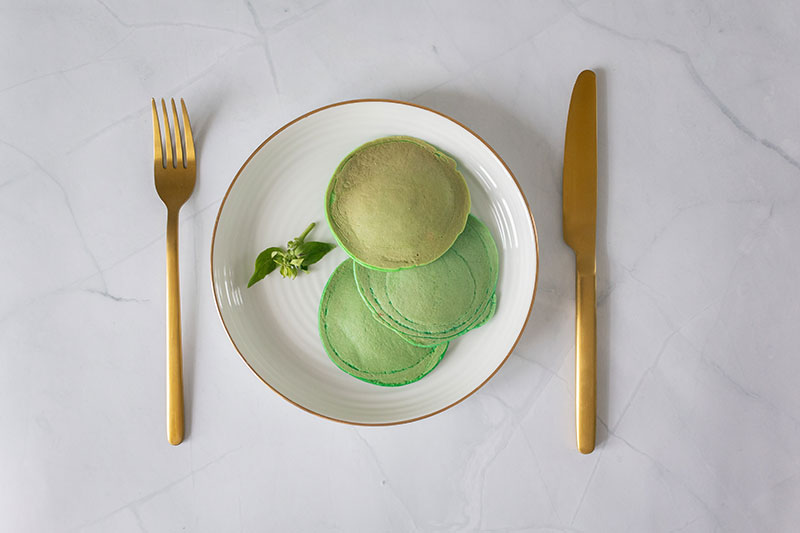
Choosing the right cutlery set involves more than selecting a design that looks good on the table. Whether you are buying for a household, supplying restaurants, or sourcing products for retail, several factors deserve attention. The number of pieces, stainless steel grade, surface finish, product weight and intended use all influence the final choice.
For importers, wholesalers and distributors, these details also affect product positioning, selling price and customer satisfaction.
This guide explains what to look for when choosing a cutlery set, with practical points to help you make a more informed purchasing decision.
1. Start with the Number of Pieces in a Cutlery Set
The first step is to decide how many people the cutlery set needs to serve. A set that works well for a small family may not be suitable for a restaurant or a retailer targeting larger households.
Common cutlery set configurations include:
- 16-piece set: Usually designed for four people, with four dinner forks, four dinner knives, four tablespoons and four teaspoons.
- 24-piece set: Typically serves six people and is a popular option for household use and retail sales.
- 30–32-piece set: Offers additional pieces or serving utensils, depending on the configuration.
- 48-piece set or larger: Suitable for larger families, hospitality supply and buyers looking for more complete tableware collections.
For B2B buyers, the number of pieces should match the target market. Smaller sets are often easier to position as entry-level retail products, while larger sets may appeal to families, hospitality suppliers and customers looking for complete table settings.
Before placing a bulk order, confirm the exact contents of each set. The term “24-piece cutlery set” does not always mean the same combination across different manufacturers.
2. Understand the Different Stainless Steel Materials
Stainless steel is widely used in cutlery manufacturing because it offers a practical balance of strength, appearance, maintenance and cost.
However, not all stainless steel cutlery is made from the same grade. Understanding the material can help buyers select products that match their budget and intended market.
304 Stainless Steel
304 stainless steel is commonly used for household and commercial cutlery. It contains chromium and nickel, offering good corrosion resistance and a clean, polished appearance.
It is a suitable option for buyers looking for a balance between everyday performance and product quality.
430 Stainless Steel
430 stainless steel is a nickel-free stainless steel grade. It is often selected for more economical cutlery products where cost control is an important consideration.
For wholesalers and distributors serving price-sensitive markets, 430 stainless steel can be a practical choice. Its performance and maintenance requirements should still be evaluated according to the intended application.
410 Stainless Steel
410 stainless steel is a martensitic stainless steel that can be hardened through heat treatment. It is commonly used for knife blades because of its hardness and ability to maintain an edge.
In some cutlery designs, different stainless steel grades may be used for different components. Buyers should confirm the material specifications of the handles, forks, spoons and knife blades rather than assuming the entire set uses one grade.
A practical buying tip: Always ask the manufacturer to specify the stainless steel grade for each component. This makes product comparison more accurate and helps avoid misunderstandings when ordering in bulk.
3. Choose a Surface Finish That Matches Your Market
The surface finish has a major influence on the appearance and market positioning of a cutlery set. The same basic product shape can look quite different depending on how its surface is processed.
Here are several common finishes found in stainless steel cutlery.
Mirror Polish
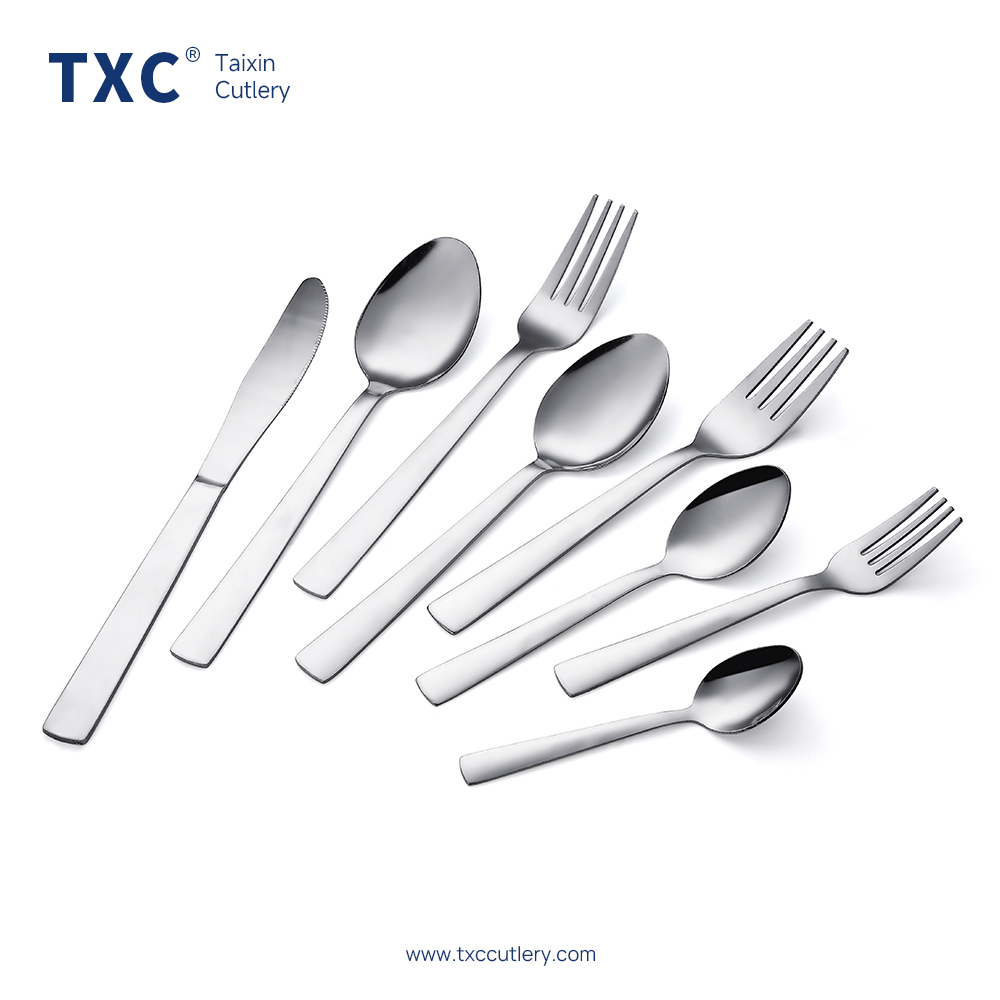
Mirror-polished cutlery has a bright, reflective surface. It is a familiar choice for household dining, restaurants and hotels because of its clean and classic appearance.
Matte or Brushed Finish
Matte and brushed finishes create a softer, less reflective look. They are often used in modern cutlery designs and can complement simple tableware and contemporary dining spaces.
Sandblasted Finish
Sandblasting creates a textured, understated surface. It may be applied to the entire product or only to selected areas, such as the handle, to create a contrast between different finishes.

PVD Coating
PVD (Physical Vapor Deposition) is a surface coating process used to create coloured finishes on stainless steel cutlery.
Gold, rose gold and black are popular colour options. PVD-coated cutlery can help retailers and distributors offer more distinctive products without changing the basic shape of the utensils.
For buyers considering coloured cutlery, it is important to ask about the coating process, product care instructions and any available performance test results. Actual durability depends on the coating specification, production process and conditions of use.

4. Consider Design, Weight and Comfort
A cutlery set should look appropriate on the table, but appearance is only one part of the buying decision. The shape, balance and weight of each piece also affect the user experience.
Consider these points when evaluating a product:
- Handle design: Handles should be comfortable to hold and easy to use. Simple designs are often easier to match with different tableware styles.
- Weight and thickness: Lightweight cutlery may suit economical retail ranges and everyday use. Heavier designs can create a more substantial feel, but they may also increase material costs.
- Edge and surface quality: Check that edges are smooth, surfaces are properly finished and there are no obvious burrs or manufacturing defects.
- Shape and proportions: Forks, spoons and knives should have practical dimensions and a consistent appearance as a set.
For wholesalers, the goal is to find a product that offers the right balance between appearance, usability and target price. A more expensive design is not automatically the best choice for every market.
5. Match the Cutlery Set to Its Intended Use
Different buyers have different requirements. A cutlery set designed for household retail may not be the best choice for a hotel, restaurant or catering business.
Household and Retail Use
For household customers, appearance, price and ease of maintenance are often important purchasing factors. Standard 16-piece and 24-piece sets are common options, while different colours and finishes can help retailers build a wider product range.
Restaurants and Cafes
Restaurants and cafes generally need practical products that are easy to clean, comfortable to use and suitable for repeated daily service.
Simple designs and standard finishes can be useful for businesses that need to replenish their cutlery regularly.
Hotels and Hospitality Suppliers
Hotels and hospitality suppliers may require larger quantities and consistent product specifications. Appearance, material selection, replacement availability and stable supply are all worth considering.
Importers and Wholesale Distributors
Importers and distributors should consider more than the unit price. Packaging, order quantity, production lead time, product consistency and communication with the manufacturer can all influence the overall purchasing decision.
6. Check Packaging and Customization Options
Packaging is another important part of cutlery sourcing, particularly for retail products.
Depending on the sales channel, cutlery sets may be supplied in simple bulk packaging, colour boxes, gift boxes or customized packaging. The right choice depends on the target customer and the expected selling price.
For private-label and OEM projects, buyers may also consider:
- Customized set combinations and piece counts
- Handle shapes and product designs
- Surface finishes and colours
- Logo engraving or printing, where available
- Customized retail packaging
- Product specifications for different markets
Not every customization option is suitable for every order quantity. Buyers should discuss tooling, sampling costs, minimum order quantities and production schedules with the manufacturer before confirming a project.
7. What Should B2B Buyers Check Before Placing a Bulk Order?
A product sample can tell you a great deal about the actual quality of cutlery. Before moving to mass production, it is worth checking several details carefully.
Material specifications: Confirm the stainless steel grades used for each component.
Product dimensions: Check length, thickness, weight and overall proportions against the agreed specifications.
Surface finish: Inspect polishing quality, coating consistency and colour uniformity.
Construction and finishing: Look for smooth edges, clean joints and consistent workmanship.
Packaging: Confirm the number of pieces, protective materials, box dimensions and shipping requirements.
Production capacity and lead time: Make sure the supplier can meet the required order quantity and delivery schedule.
For repeat orders, keeping an approved sample and written product specifications can help both parties maintain consistency.
Frequently Asked Questions About Cutlery Sets
What is the best stainless steel for cutlery?
There is no single best grade for every application. 304 stainless steel is a common choice for general-purpose cutlery, while 430 can be suitable for more economical products. 410 stainless steel is often used for knife blades because it can be hardened. The right material depends on the product design, target price and intended use.
What is the difference between cutlery and flatware?
The terms are often used interchangeably in everyday English. “Cutlery” is widely used in British English and international trade, while “flatware” is more common in American English. Both generally refer to eating utensils such as knives, forks and spoons.
Is PVD-coated cutlery suitable for everyday use?
PVD-coated cutlery is available in a range of colours and finishes for both household and commercial markets. Its suitability for everyday use depends on the coating specification, manufacturing quality and care instructions. Buyers should review available test results and follow the manufacturer’s recommendations.
How many pieces should a cutlery set include?
A 16-piece set commonly serves four people, while a 24-piece set typically serves six. Larger sets may include additional serving utensils or more place settings. The best configuration depends on the intended customer and sales channel.
What should importers look for in a cutlery manufacturer?
Importers should evaluate material specifications, manufacturing consistency, product range, customization options, production capacity, packaging and delivery performance. Clear communication and reliable sample approval procedures are also important when developing a long-term supply relationship.
خاتمة
Choosing the right cutlery set is about finding a suitable balance between material, design, usability and price. A product that works well for household retail may have different requirements from one intended for restaurants or hospitality supply.
For B2B buyers, understanding these differences before placing an order can make product selection more efficient and reduce avoidable sourcing problems.
Whether you are looking for standard stainless steel cutlery, economical wholesale sets or coloured PVD-coated designs, start with clear product specifications and a reliable sample. This provides a better foundation for making purchasing decisions and building a consistent product range.