Stainless steel cutlery is widely used in homes, restaurants, hotels and catering businesses. It is valued for its clean appearance, practical performance and relatively easy maintenance.
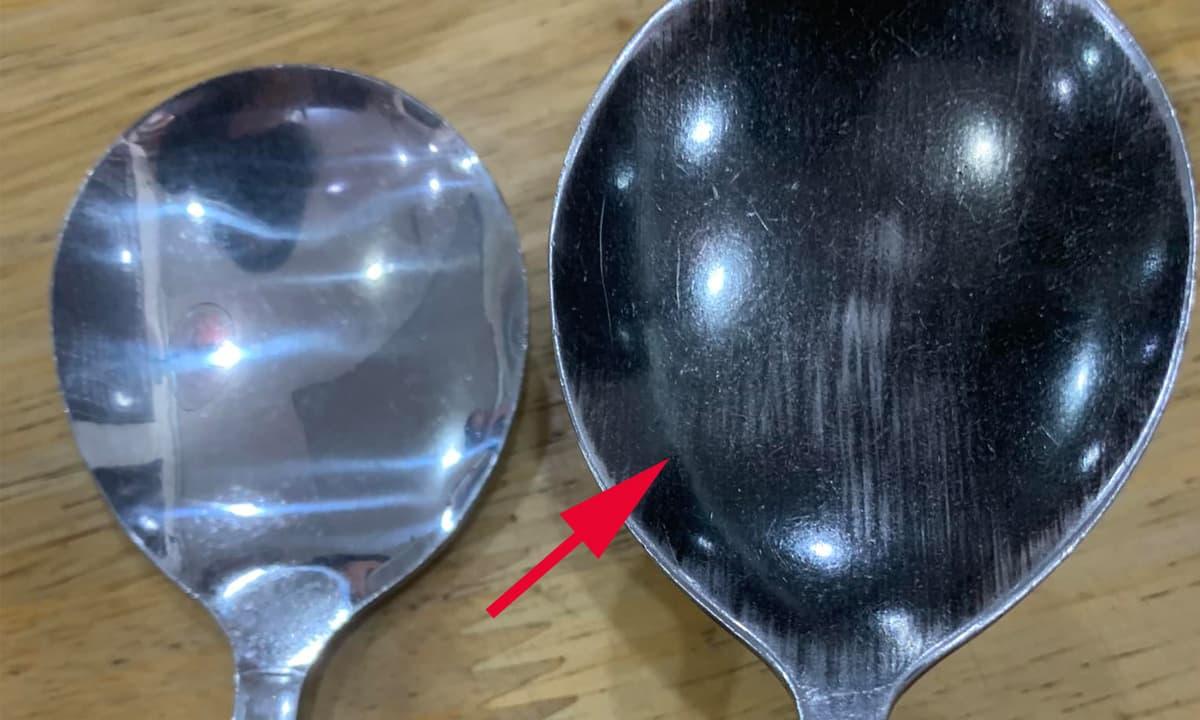
However, some users notice an unexpected problem after repeated dishwasher cycles: their stainless steel knives, forks or spoons develop black marks, dark stains or a dull surface.
Does this mean the cutlery is poor quality? Not necessarily.
Black discoloration can result from several factors, including detergent residue, mineral deposits, chemical reactions and the condition of the stainless steel surface. Understanding the possible causes is the first step toward preventing the problem and choosing suitable cutlery for everyday use.
1. Why Does Stainless Steel Cutlery Turn Black in the Dishwasher?
Stainless steel is resistant to corrosion, but it is not completely immune to chemical reactions or surface discoloration. Dishwasher conditions can expose cutlery to heat, moisture, alkaline detergents and other substances that may affect its appearance.
Here are some common causes.
1.1 Chemical Reactions with Dishwasher Detergent
Dishwasher detergents are designed to remove food residue and grease. Some formulations contain strong alkaline ingredients, bleaching agents or other active chemicals.
When detergent is used in excessive amounts, or when cutlery is exposed to unsuitable cleaning products, discoloration may occur. Certain chemical residues can leave dark marks or affect the appearance of the metal surface.
Using a detergent specifically recommended for stainless steel tableware and following the manufacturer’s dosage instructions can help reduce this risk.
1.2 Contact with Other Metals
Black or dark marks may appear when stainless steel cutlery comes into contact with other metal items during washing.
For example, aluminium cookware, cast iron products and certain lower-quality metal utensils may react with dishwasher conditions or leave deposits on nearby surfaces.
In some cases, what looks like blackening is actually transferred metal residue rather than damage to the stainless steel itself.
To reduce the possibility of this problem, avoid washing stainless steel cutlery in direct contact with reactive metal cookware.
1.3 Hard Water and Mineral Deposits
Water with a high mineral content can leave deposits on cutlery, particularly when the rinse cycle is ineffective or items are not dried properly.
These deposits may appear as grey, white or dark spots, depending on the minerals and other residues involved.
Regularly checking the dishwasher’s water softener and rinse aid settings can help improve cleaning results. If mineral buildup is already present, use a cleaning method recommended by the dishwasher manufacturer.
1.4 Food Residue and Salt Exposure
Certain food residues can affect stainless steel surfaces when left for long periods.
Salt, acidic foods, sauces and food particles may create unfavourable conditions, especially when cutlery remains dirty in the dishwasher before a wash cycle begins.
For better results, remove heavy food residue and avoid leaving salty or acidic substances on cutlery for extended periods.
1.5 Surface Finish and Manufacturing Quality
The surface condition of cutlery also matters.
A well-finished stainless steel surface is generally easier to clean and less likely to retain food particles and deposits. Poor polishing, rough areas, scratches or manufacturing residues may make discoloration more noticeable.
The steel grade is another consideration, but it should not be evaluated in isolation. Material selection, forming, polishing, cleaning and final inspection all contribute to the finished product.
2. Does Blackening Mean Stainless Steel Cutlery Is Rusting?
Not always.
Black discoloration and rust are different problems, although they can sometimes appear together.
Rust usually develops when iron in the material oxidizes in the presence of moisture and oxygen. It may appear as reddish-brown spots, streaks or localized corrosion.
Black marks, on the other hand, may be caused by detergent residue, mineral deposits, transferred metal particles or changes in the surface condition.
Some discoloration can be removed with appropriate cleaning, while actual corrosion may leave permanent surface damage.
If the marks remain after proper cleaning, inspect the affected area carefully. Persistent pitting, roughness or visible corrosion should be treated as a product-quality concern rather than simply a cleaning issue.
3. How to Prevent Stainless Steel Cutlery from Turning Black
Good dishwasher practices can make a noticeable difference to the appearance and service life of cutlery.
Consider the following recommendations:
Use the correct detergent. Choose a dishwasher detergent suitable for stainless steel utensils. Avoid excessive detergent or unapproved cleaning chemicals.
Separate different metals. Do not place stainless steel cutlery in direct contact with aluminium, cast iron or other reactive metal products.
Remove food residue promptly. Rinse or remove heavy food particles, especially salt and acidic sauces, before loading the dishwasher.
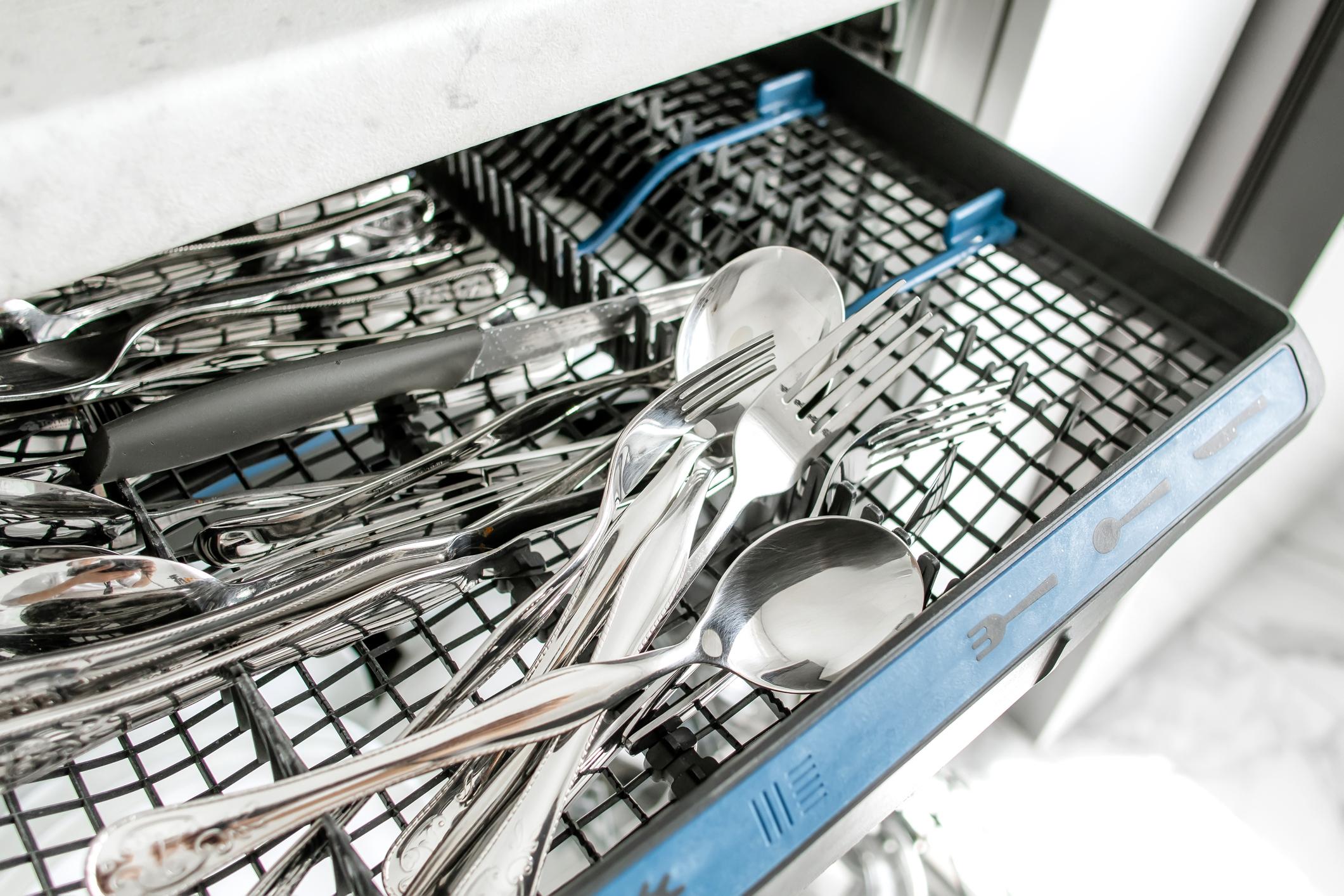
Avoid overcrowding. Arrange forks, knives and spoons so that water can circulate freely and detergent can rinse away properly.
Check water quality. Hard water may leave mineral deposits. Maintain the dishwasher’s water softener and rinse aid according to its instructions.
Dry cutlery properly. Remove cutlery after the cycle when appropriate and avoid leaving it in a humid dishwasher for unnecessarily long periods.
Follow the manufacturer’s care instructions. Different materials and surface finishes may require different cleaning conditions.
These simple steps can help maintain a cleaner appearance and reduce avoidable surface staining.

4. Can Different Stainless Steel Grades Affect Cutlery Performance?
Yes. Stainless steel grades have different compositions and properties, which influence their suitability for particular cutlery components and price ranges.
Three grades commonly found in stainless steel cutlery manufacturing are 304, 430 and 410.
304 Stainless Steel
304 stainless steel contains chromium and nickel. It offers good corrosion resistance and is widely used for spoons, forks and other tableware components.
It is a common choice for buyers seeking a balance between everyday performance and material quality.
430 Stainless Steel
430 stainless steel is a ferritic, nickel-free grade. It is often used in economical cutlery products where cost control is important.
Its corrosion resistance differs from that of 304, so buyers should consider the intended application and maintenance requirements when selecting it.
410 Stainless Steel
410 stainless steel is a martensitic grade that can be hardened through heat treatment. It is commonly used for knife blades because of its hardness and edge-retention properties.
Some cutlery sets use different grades for different components. Buyers should confirm the exact material specifications rather than assuming every piece in a set uses the same stainless steel.
Important: A higher-priced stainless steel grade does not automatically guarantee that cutlery will never discolor in a dishwasher. Detergent conditions, water quality, surface finish and maintenance all play a role.
5. What About Gold and Black PVD Coated Cutlery?
PVD-coated cutlery has become a popular option for buyers looking for alternatives to traditional silver-coloured stainless steel.
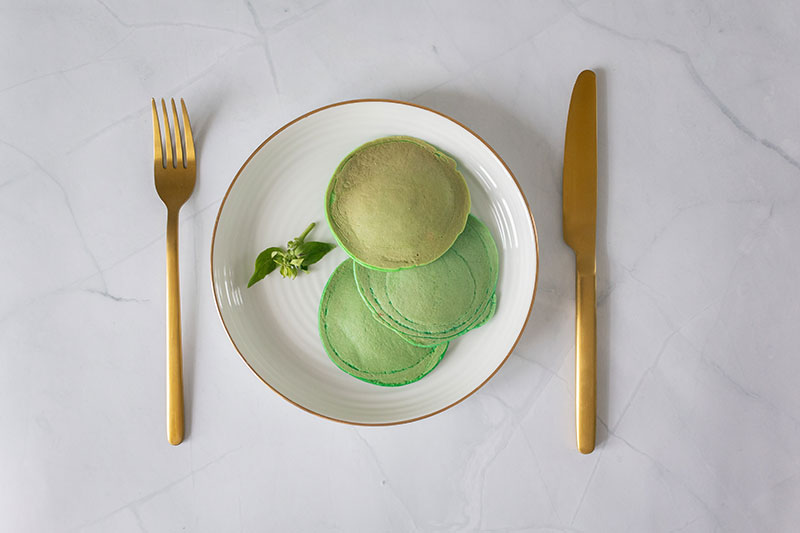
Physical Vapor Deposition (PVD) is a coating process used to create decorative surface finishes in colours such as gold, rose gold and black.
However, coated cutlery requires additional attention when it comes to cleaning and maintenance.
Dishwasher suitability depends on the coating specification, substrate, manufacturing process and validation testing. Not every PVD-coated product should automatically be considered dishwasher-safe.
For importers, wholesalers and restaurant suppliers, it is worth asking manufacturers:
- Is the product suitable for dishwasher cleaning?
- What cleaning conditions are recommended?
- Are coating adhesion or durability test results available?
- Are there specific restrictions on detergent type or temperature?
Clear product-care instructions help buyers set the right expectations for their customers and reduce avoidable complaints.
6. What Should B2B Buyers Check When Sourcing Stainless Steel Cutlery?
For importers, distributors and hospitality suppliers, product appearance is only one part of quality evaluation. A cutlery set should also meet the practical requirements of its intended market.
Before placing a bulk order, consider these points:
Material verification: Confirm the stainless steel grade used for each component and request supporting material information where necessary.
Surface finishing: Check for smooth surfaces, consistent polishing and visible defects. Pay particular attention to handles, joints and edges.
Dishwasher suitability: Ask whether the product has been evaluated under relevant dishwasher conditions. Request available test reports instead of relying only on general claims.
Coating performance: For coloured PVD products, review the coating specifications and any available adhesion or durability testing.
Sample evaluation: Test samples under realistic cleaning conditions before approving mass production, especially for products intended for restaurants and hotels.
Consistent production: Confirm that approved material, dimensions and surface finishes can be maintained throughout the order.
For large-volume purchases, a written product specification and approved sample provide a useful reference for future production and quality checks.
Frequently Asked Questions
Is stainless steel cutlery supposed to turn black in the dishwasher?
No. Blackening is not an expected result of normal dishwasher cleaning. It may be caused by detergent residue, mineral deposits, contact with other metals or surface deterioration. The exact cause should be identified before deciding whether the product is defective.
How do I remove black stains from stainless steel cutlery?
First, identify whether the marks are deposits or actual corrosion. For removable stains, use a cleaning method suitable for stainless steel and follow the cutlery manufacturer’s instructions. Avoid steel wool, harsh abrasives and unapproved chemicals, as they may scratch or damage the surface.
Is 304 stainless steel cutlery dishwasher-safe?
304 stainless steel is commonly used in dishwasher-cleanable cutlery. However, suitability depends on the finished product, manufacturing quality and recommended cleaning conditions. Follow the supplier’s care instructions rather than assuming every product made from 304 stainless steel is suitable for every dishwasher cycle.
Why does stainless steel cutlery develop dark spots?
Dark spots can be caused by mineral deposits, detergent residue, transferred metal particles or localized surface corrosion. If the spots remain after proper cleaning, further inspection may be necessary.
Can PVD-coated cutlery be washed in a dishwasher?
Some PVD-coated cutlery products are suitable for dishwasher cleaning, but this depends on the coating specification and test results. Buyers should confirm the recommended cleaning conditions with the manufacturer before making dishwasher-safe claims.
خاتمة
Stainless steel cutlery is designed for practical everyday use, but its appearance and performance depend on more than the material grade alone.
Dishwasher detergent, water quality, contact with other metals, surface finishing and maintenance can all influence how cutlery looks after repeated washing.
For consumers, following suitable cleaning practices can help prevent unnecessary discoloration. For importers and wholesale buyers, checking material specifications, surface quality and dishwasher suitability before placing an order is a more reliable way to assess a product.
A good cutlery product should be selected not only for its appearance and price, but also for how well it meets the real cleaning and usage conditions of its target market.